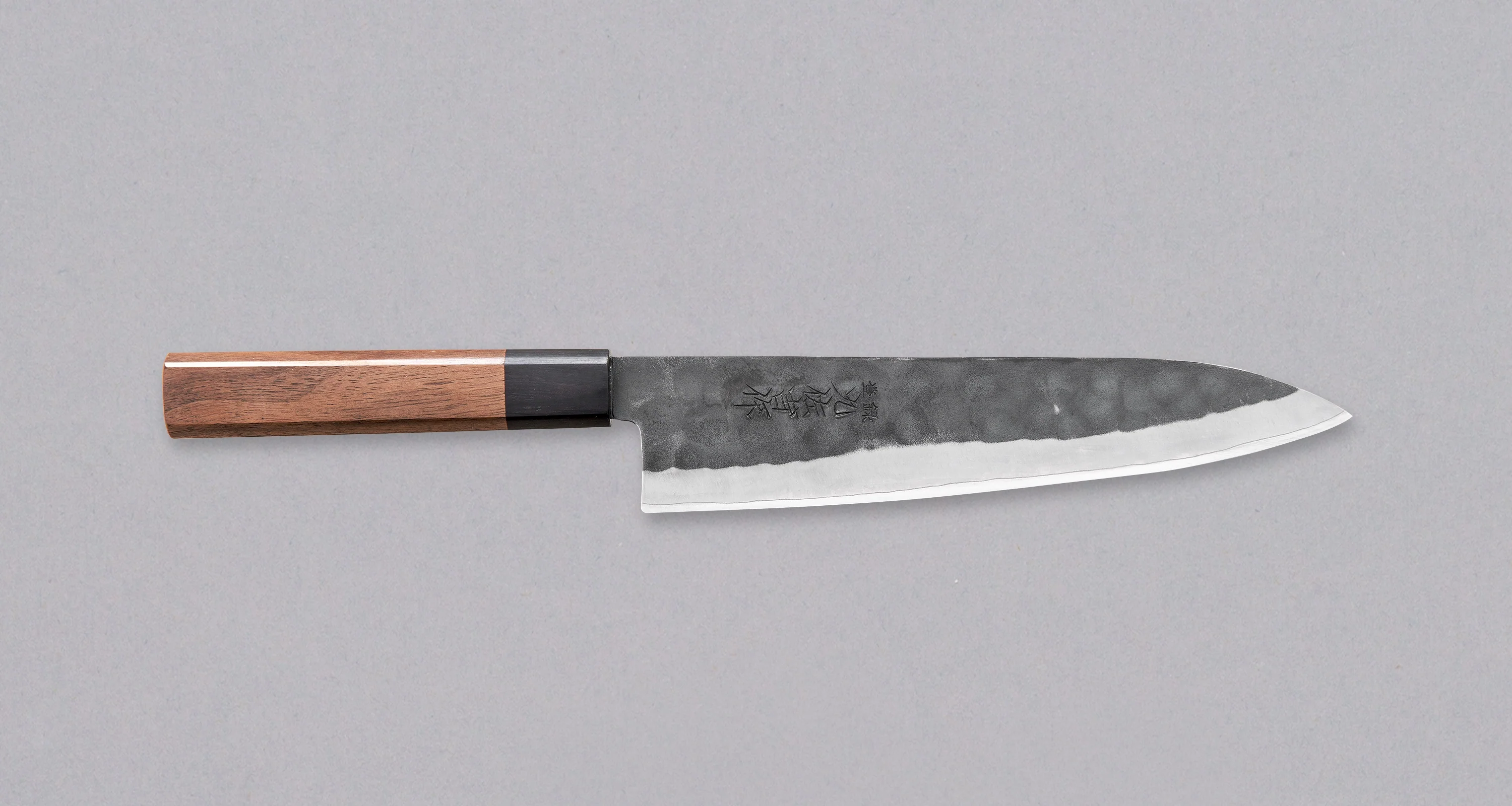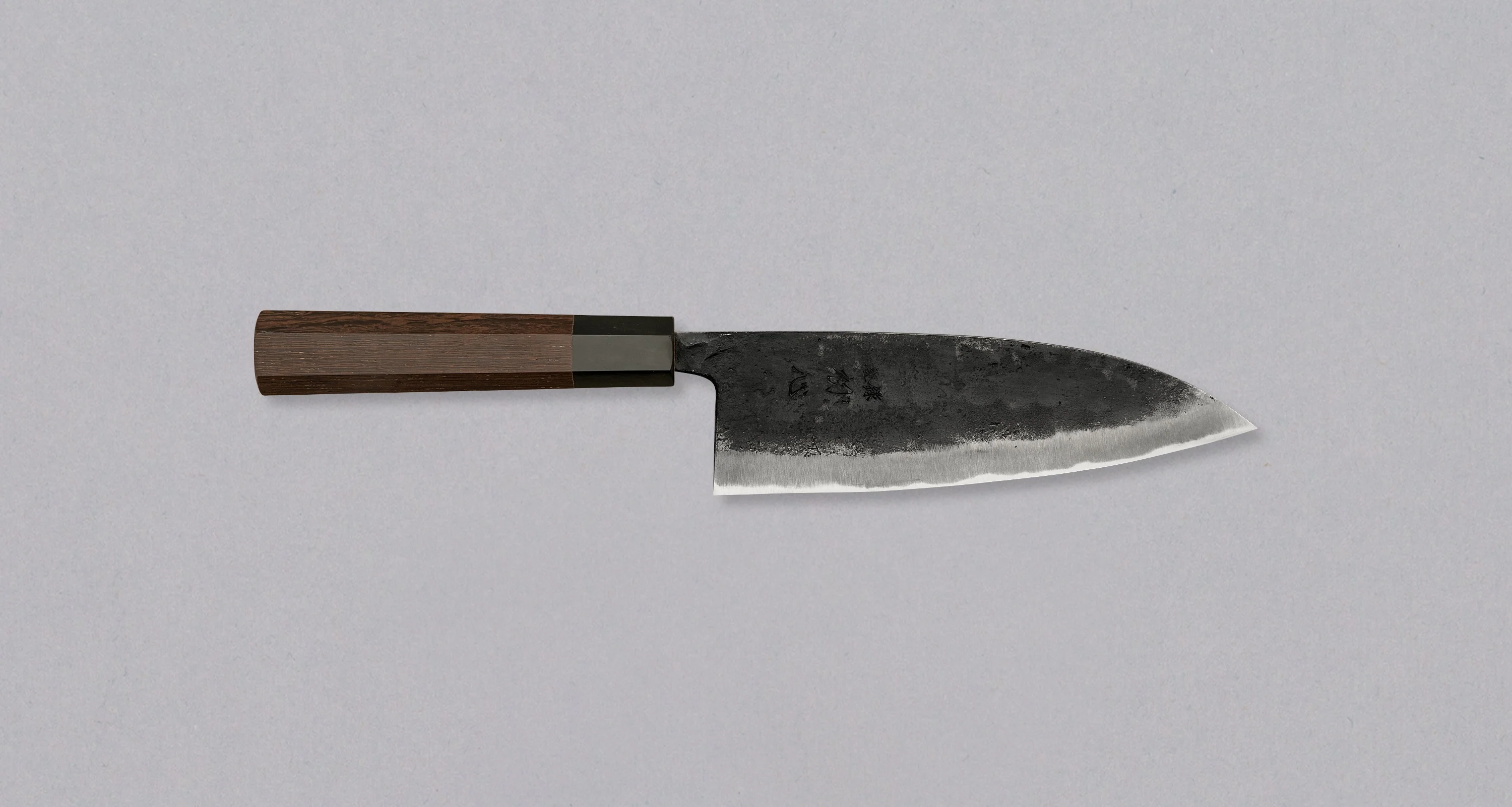
Kurokaze Ryo-Deba Aogami #2 Kuro-uchi 180mm (7.1")
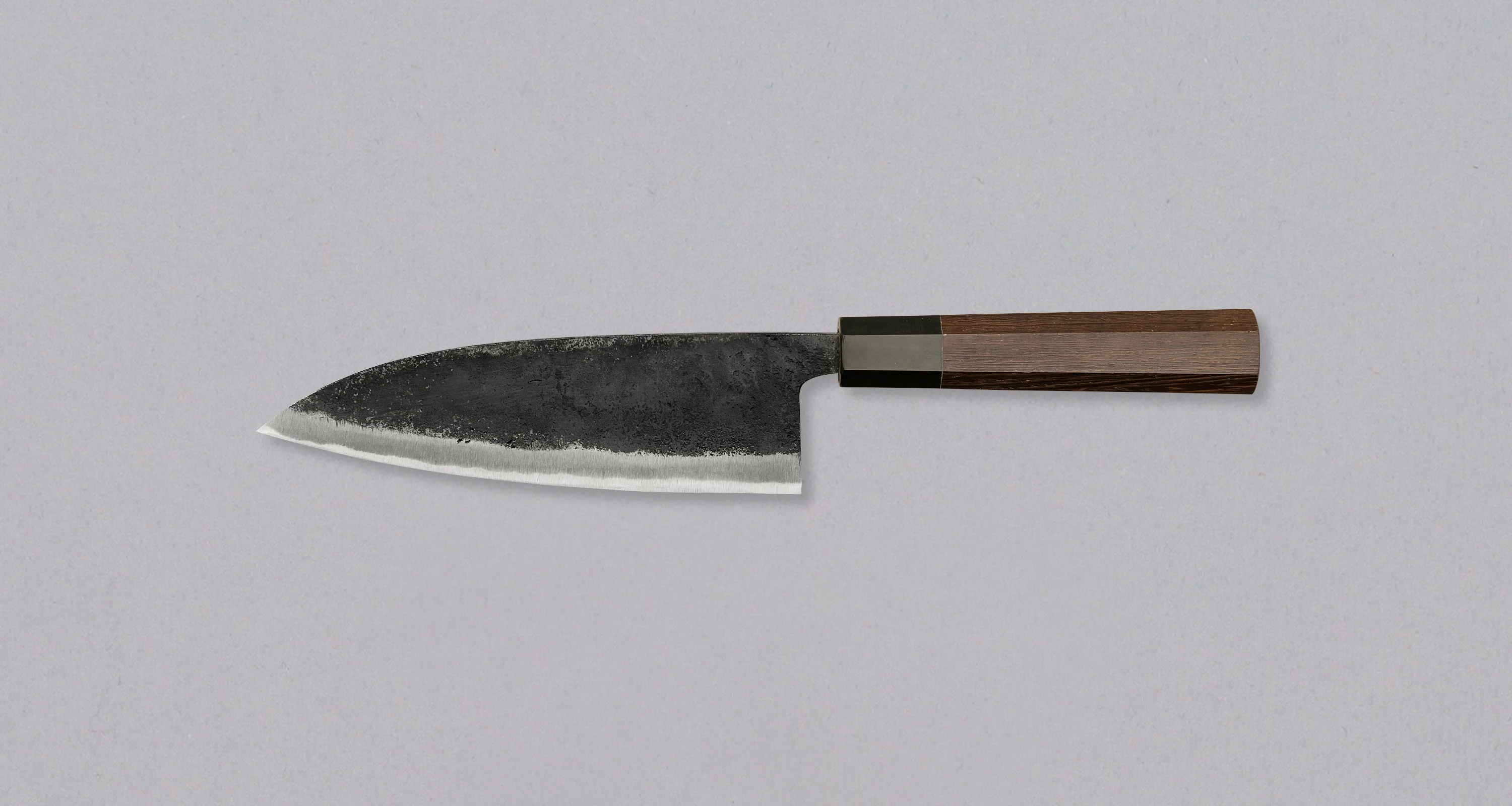
Discover the Kurokaze Ryo-Deba Aogami #2 Kuro-uchi 180mm (7.1") – a robust, double-bevel deba knife crafted for fish enthusiasts and chefs alike. Unlike traditional single-bevel debas, this Ryo-Deba is easier to sharpen and ideal for tackling tough tasks, from slicing through large fish bones to handling chicken. Designed with a symmetrical blade, it’s perfect for both right- and left-handed users.
Whether you're a professional chef, an avid angler, or a home cook who tackles whole fish and chicken, this knife offers the strength, balance, and control you need.
BLADE SHAPE:
Deba is one of the »big three« Japanese traditional kitchen knives, alongside usuba and yanagiba — essential tools for every sushi chef.
Traditionally used to prepare whole fish, the deba excels at:
- Cleaning and filleting
- Removing fins and heads
- Portioning fish
- Chopping through smaller bones
- It can also handle poultry and other meats with fine bones.
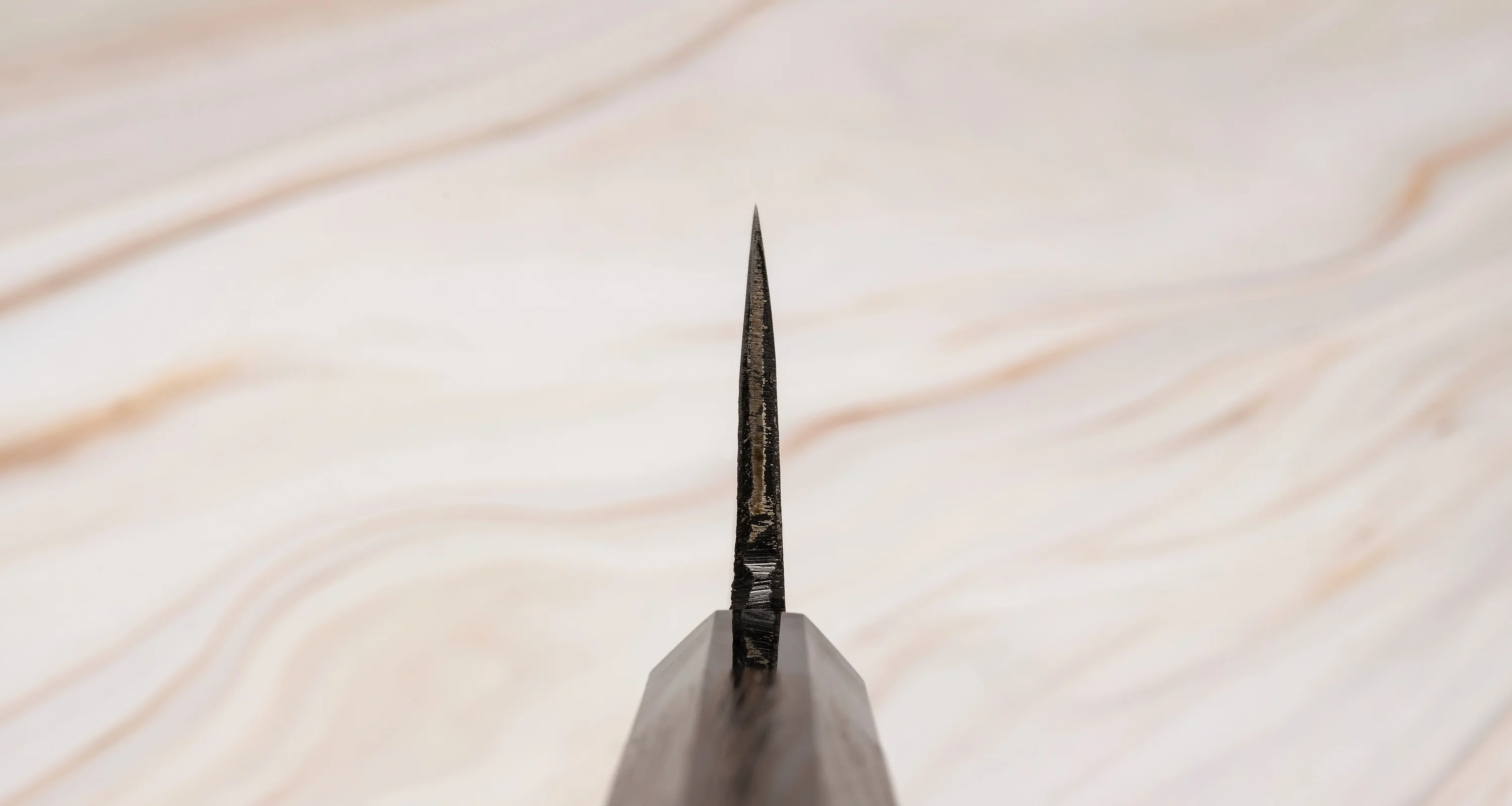
This version is a ryo-deba — a double-bevel deba — which makes it easier to sharpen and more versatile in the kitchen. Its thick and heavy blade offers both power and precision, ideal for clean cuts through flesh and bone while minimizing damage to delicate fish meat.
STEEL:
Aogami #2 is a very popular steel in Japanese knife making and one of the finest high-carbon steels, meaning the knives forged from it will have exceptional edge retention and also sharpen very easily. A high-carbon steel that should be maintained accordingly (⚠️ read more about knife maintenance here).
Aogami #2 steel is composed of carbon (C) 1.1 %, chromium (Cr) 0.5 %, manganese (Mn) 0.3%, and tungsten (W) 1.5%.
LAMINATION:
The blade’s core was laminated using the san-mai method to improve its structural integrity and subsequent ability to withstand impacts and prevent chipping.
GEOMETRY:
The knife is a double-bevel blade with a convex v-edge. It is heavier and stronger at the handle and thinner and more precise at the tip, towards which it tapers.
BLADE FINISH:
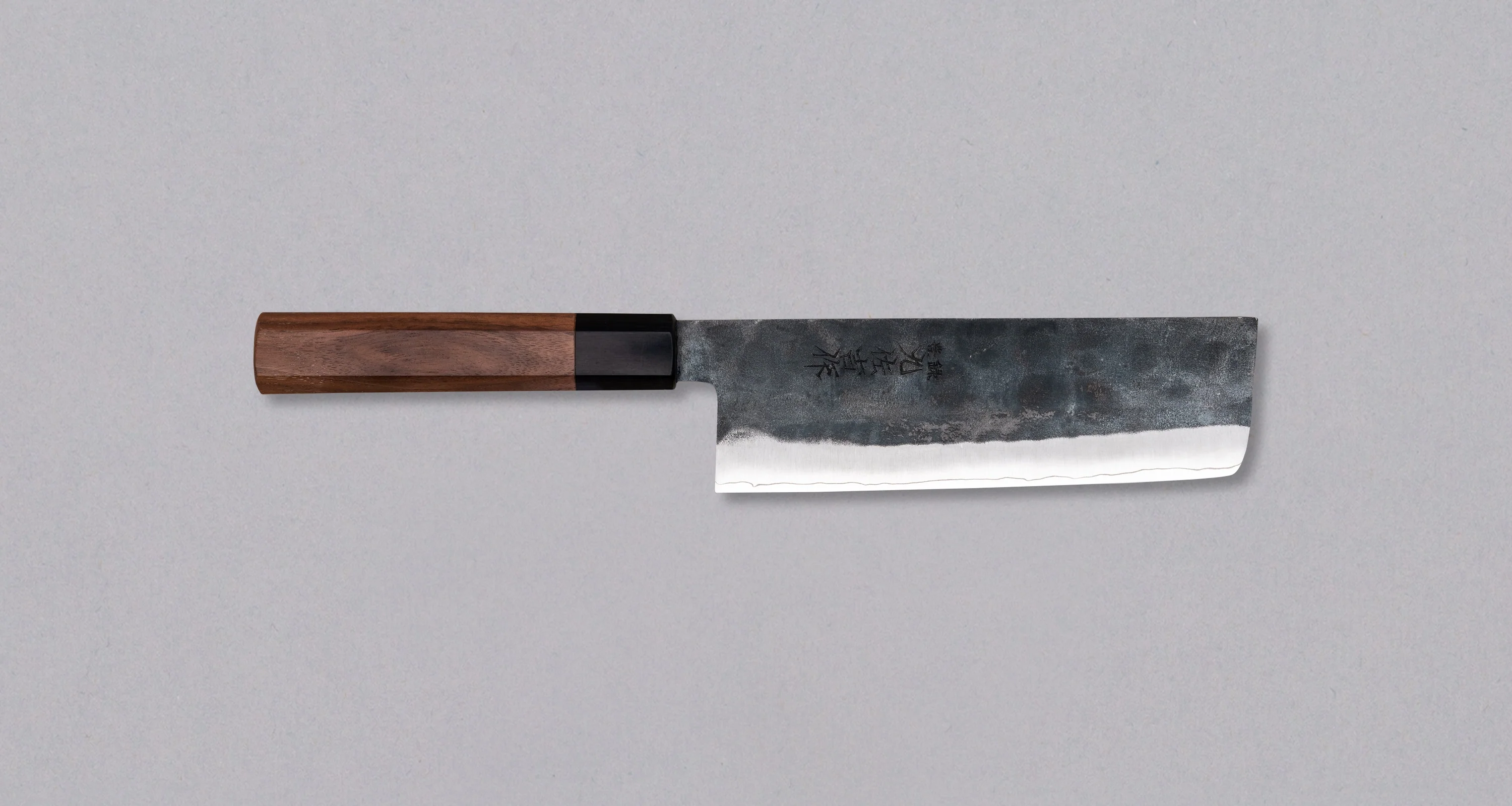
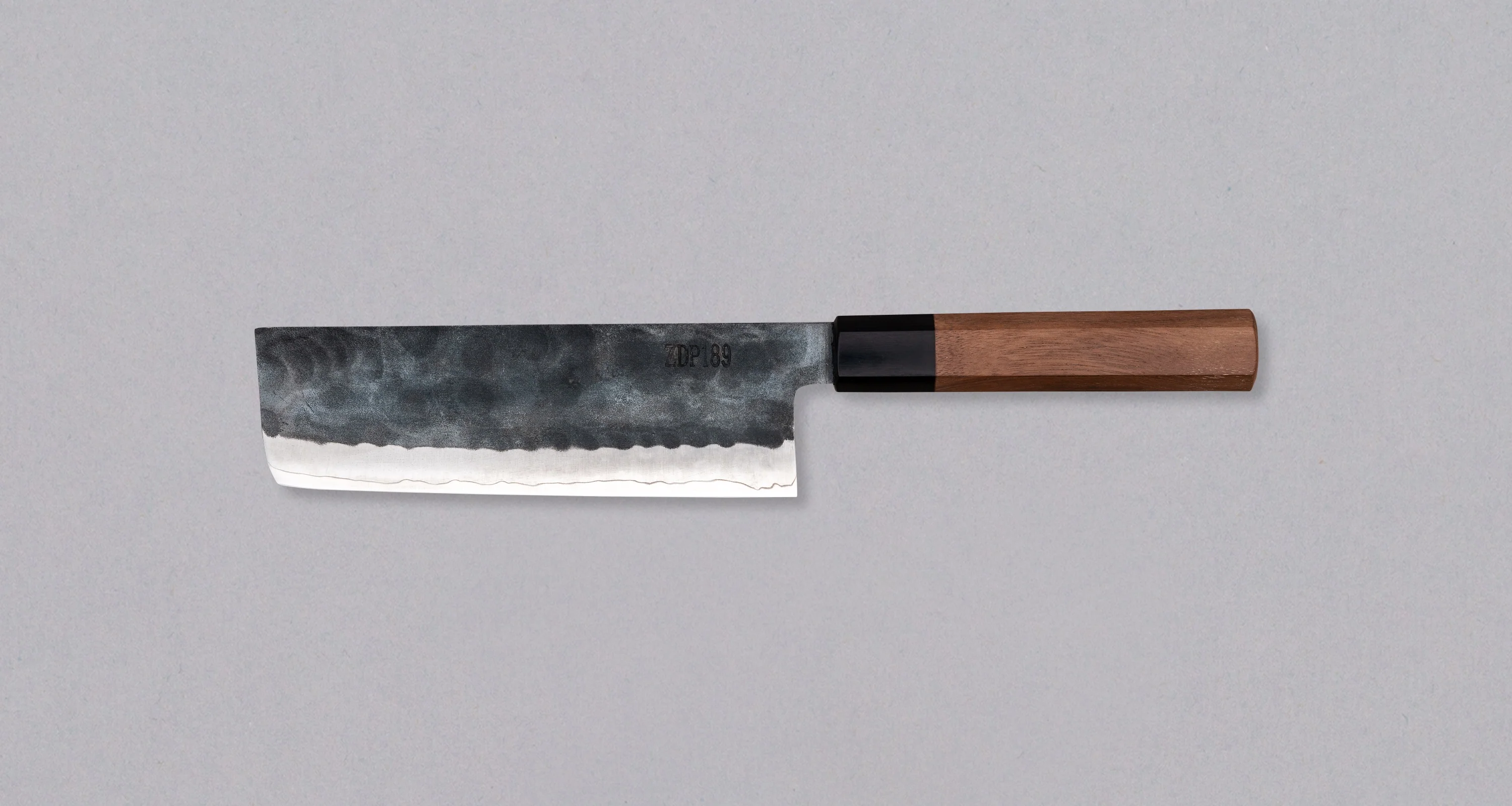
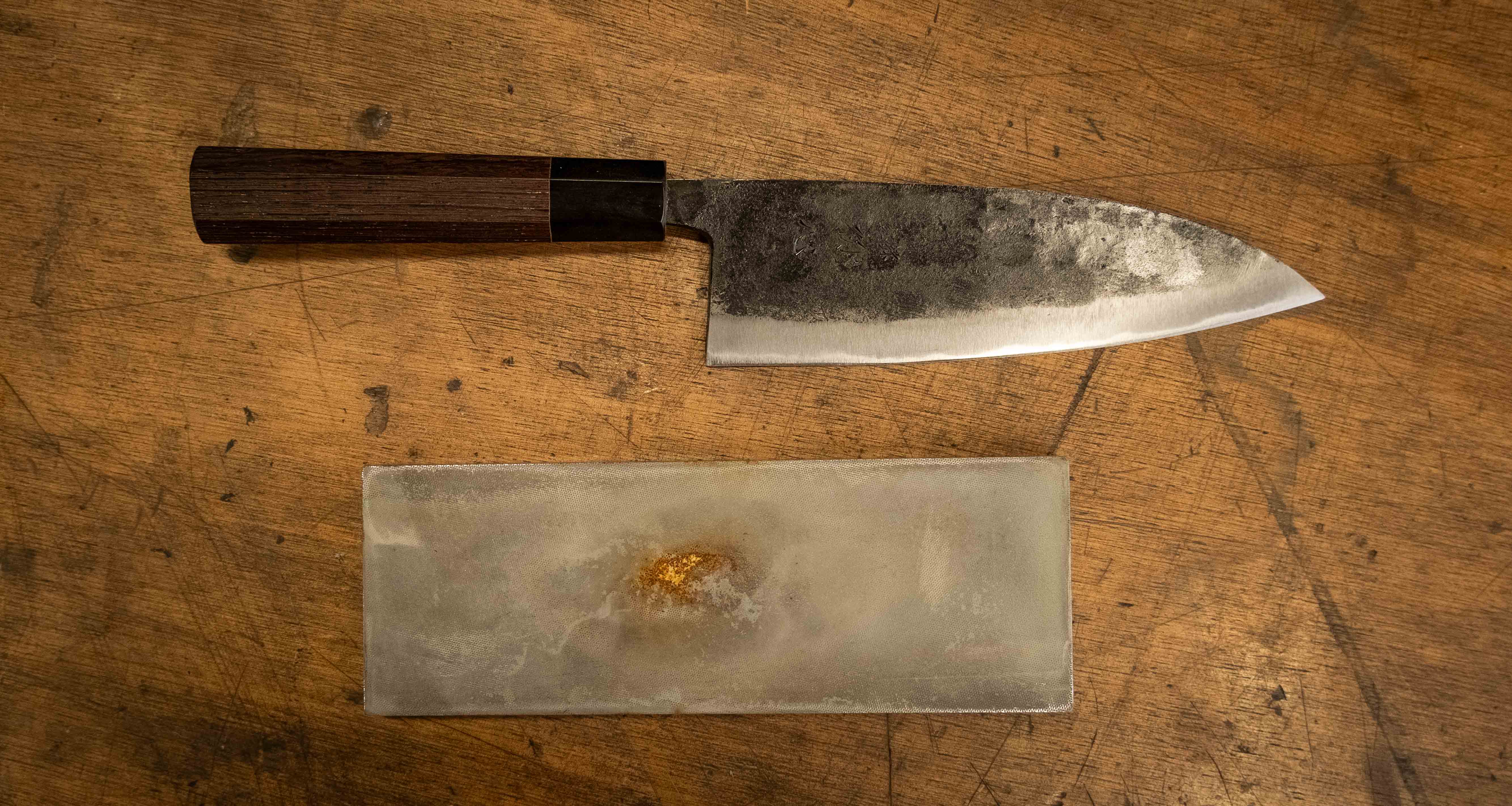
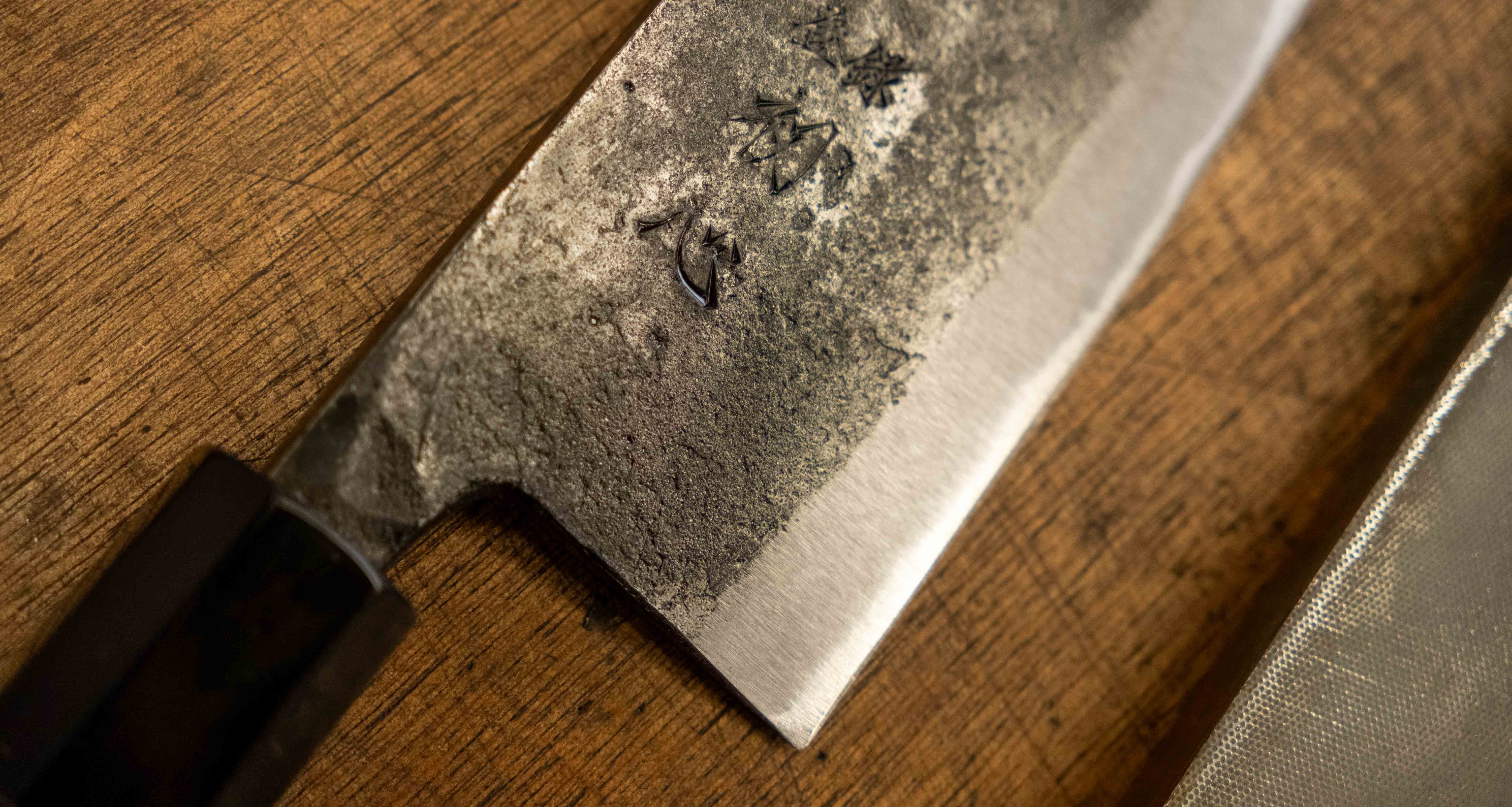
The blade has a kuro-uchi blade finish. The kuro-uchi finish on Aogami #2 blades provides a protective layer against rust and other external elements that can otherwise damage the surface.
HANDLE:
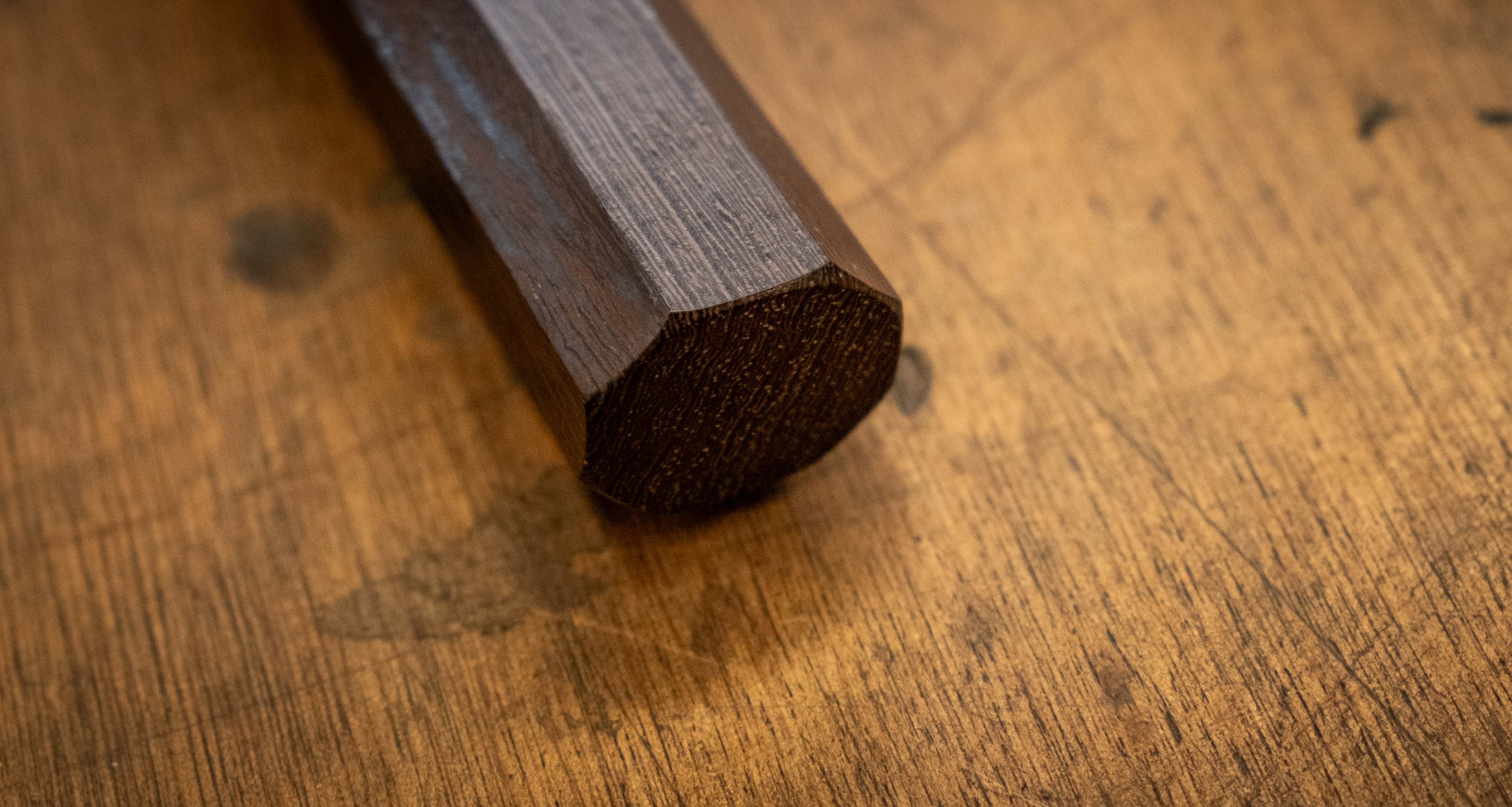
Japanese (Wa) style handle style handle made out of wenge wood with a buffalo horn ferrule. The octagonal handle allows a compact and firm grip during the filleting process without slipping or causing any injuries, which is critical when working with raw fish.
|
A traditional feature of wooden handles is that over time the soft surface of the wood will lose its smoothness and shine, giving it an even better grip and making it even safer to use with wet hands. This extra friction of the "roughened" surface ensures that greasy, wet, and slippery palms don't slide forward on the blade during use. |
Original: $234.28
-65%$234.28
$82.00More Images
Kurokaze Ryo-Deba Aogami #2 Kuro-uchi 180mm (7.1")
Discover the Kurokaze Ryo-Deba Aogami #2 Kuro-uchi 180mm (7.1") – a robust, double-bevel deba knife crafted for fish enthusiasts and chefs alike. Unlike traditional single-bevel debas, this Ryo-Deba is easier to sharpen and ideal for tackling tough tasks, from slicing through large fish bones to handling chicken. Designed with a symmetrical blade, it’s perfect for both right- and left-handed users.
Whether you're a professional chef, an avid angler, or a home cook who tackles whole fish and chicken, this knife offers the strength, balance, and control you need.
BLADE SHAPE:
Deba is one of the »big three« Japanese traditional kitchen knives, alongside usuba and yanagiba — essential tools for every sushi chef.
Traditionally used to prepare whole fish, the deba excels at:
- Cleaning and filleting
- Removing fins and heads
- Portioning fish
- Chopping through smaller bones
- It can also handle poultry and other meats with fine bones.
This version is a ryo-deba — a double-bevel deba — which makes it easier to sharpen and more versatile in the kitchen. Its thick and heavy blade offers both power and precision, ideal for clean cuts through flesh and bone while minimizing damage to delicate fish meat.
STEEL:
Aogami #2 is a very popular steel in Japanese knife making and one of the finest high-carbon steels, meaning the knives forged from it will have exceptional edge retention and also sharpen very easily. A high-carbon steel that should be maintained accordingly (⚠️ read more about knife maintenance here).
Aogami #2 steel is composed of carbon (C) 1.1 %, chromium (Cr) 0.5 %, manganese (Mn) 0.3%, and tungsten (W) 1.5%.
LAMINATION:
The blade’s core was laminated using the san-mai method to improve its structural integrity and subsequent ability to withstand impacts and prevent chipping.
GEOMETRY:
The knife is a double-bevel blade with a convex v-edge. It is heavier and stronger at the handle and thinner and more precise at the tip, towards which it tapers.
BLADE FINISH:
The blade has a kuro-uchi blade finish. The kuro-uchi finish on Aogami #2 blades provides a protective layer against rust and other external elements that can otherwise damage the surface.
HANDLE:
Japanese (Wa) style handle style handle made out of wenge wood with a buffalo horn ferrule. The octagonal handle allows a compact and firm grip during the filleting process without slipping or causing any injuries, which is critical when working with raw fish.
|
A traditional feature of wooden handles is that over time the soft surface of the wood will lose its smoothness and shine, giving it an even better grip and making it even safer to use with wet hands. This extra friction of the "roughened" surface ensures that greasy, wet, and slippery palms don't slide forward on the blade during use. |
Product Information
Product Information
Shipping & Returns
Shipping & Returns
Description
Discover the Kurokaze Ryo-Deba Aogami #2 Kuro-uchi 180mm (7.1") – a robust, double-bevel deba knife crafted for fish enthusiasts and chefs alike. Unlike traditional single-bevel debas, this Ryo-Deba is easier to sharpen and ideal for tackling tough tasks, from slicing through large fish bones to handling chicken. Designed with a symmetrical blade, it’s perfect for both right- and left-handed users.
Whether you're a professional chef, an avid angler, or a home cook who tackles whole fish and chicken, this knife offers the strength, balance, and control you need.
BLADE SHAPE:
Deba is one of the »big three« Japanese traditional kitchen knives, alongside usuba and yanagiba — essential tools for every sushi chef.
Traditionally used to prepare whole fish, the deba excels at:
- Cleaning and filleting
- Removing fins and heads
- Portioning fish
- Chopping through smaller bones
- It can also handle poultry and other meats with fine bones.
This version is a ryo-deba — a double-bevel deba — which makes it easier to sharpen and more versatile in the kitchen. Its thick and heavy blade offers both power and precision, ideal for clean cuts through flesh and bone while minimizing damage to delicate fish meat.
STEEL:
Aogami #2 is a very popular steel in Japanese knife making and one of the finest high-carbon steels, meaning the knives forged from it will have exceptional edge retention and also sharpen very easily. A high-carbon steel that should be maintained accordingly (⚠️ read more about knife maintenance here).
Aogami #2 steel is composed of carbon (C) 1.1 %, chromium (Cr) 0.5 %, manganese (Mn) 0.3%, and tungsten (W) 1.5%.
LAMINATION:
The blade’s core was laminated using the san-mai method to improve its structural integrity and subsequent ability to withstand impacts and prevent chipping.
GEOMETRY:
The knife is a double-bevel blade with a convex v-edge. It is heavier and stronger at the handle and thinner and more precise at the tip, towards which it tapers.
BLADE FINISH:
The blade has a kuro-uchi blade finish. The kuro-uchi finish on Aogami #2 blades provides a protective layer against rust and other external elements that can otherwise damage the surface.
HANDLE:
Japanese (Wa) style handle style handle made out of wenge wood with a buffalo horn ferrule. The octagonal handle allows a compact and firm grip during the filleting process without slipping or causing any injuries, which is critical when working with raw fish.
|
A traditional feature of wooden handles is that over time the soft surface of the wood will lose its smoothness and shine, giving it an even better grip and making it even safer to use with wet hands. This extra friction of the "roughened" surface ensures that greasy, wet, and slippery palms don't slide forward on the blade during use. |