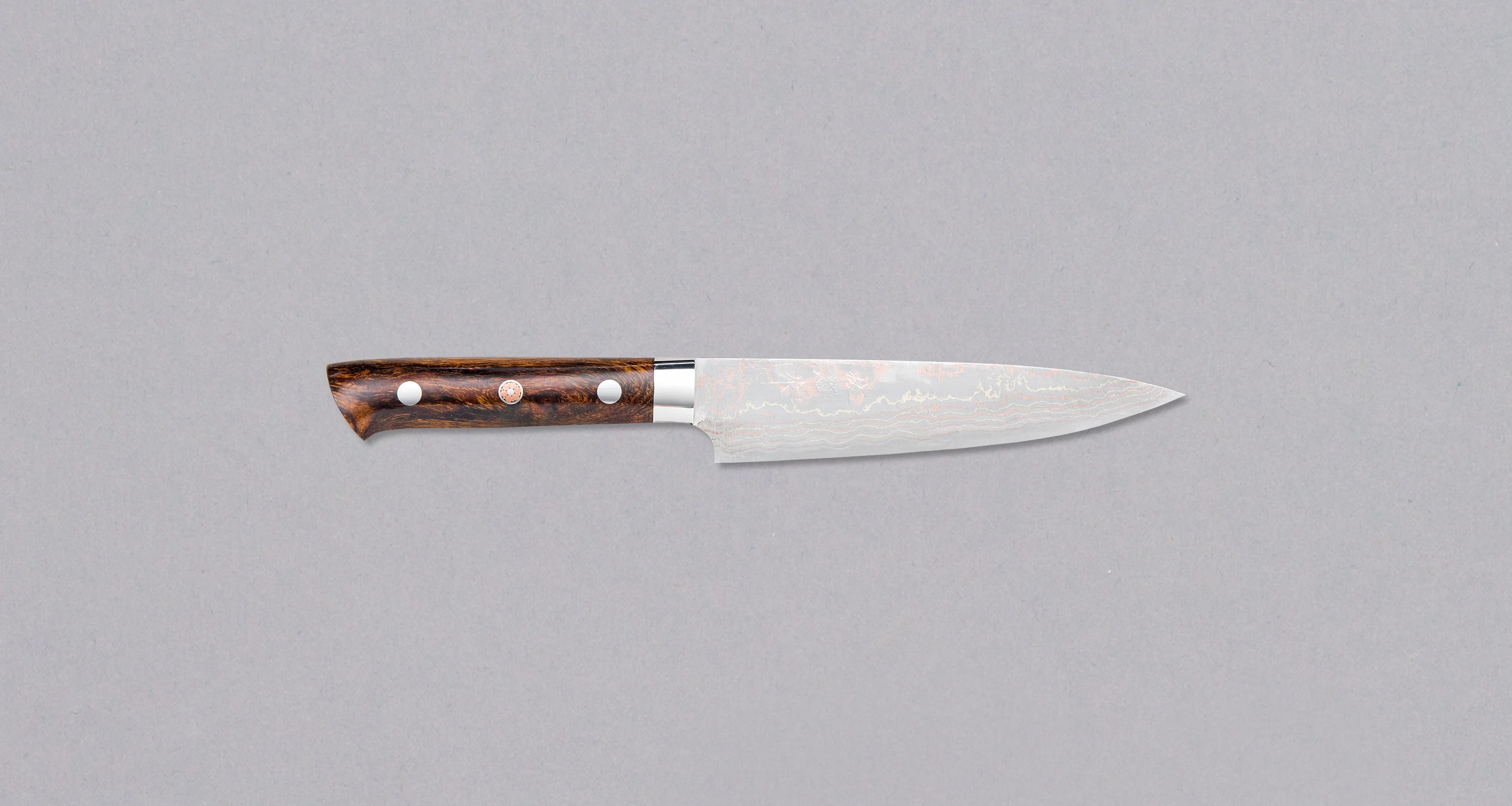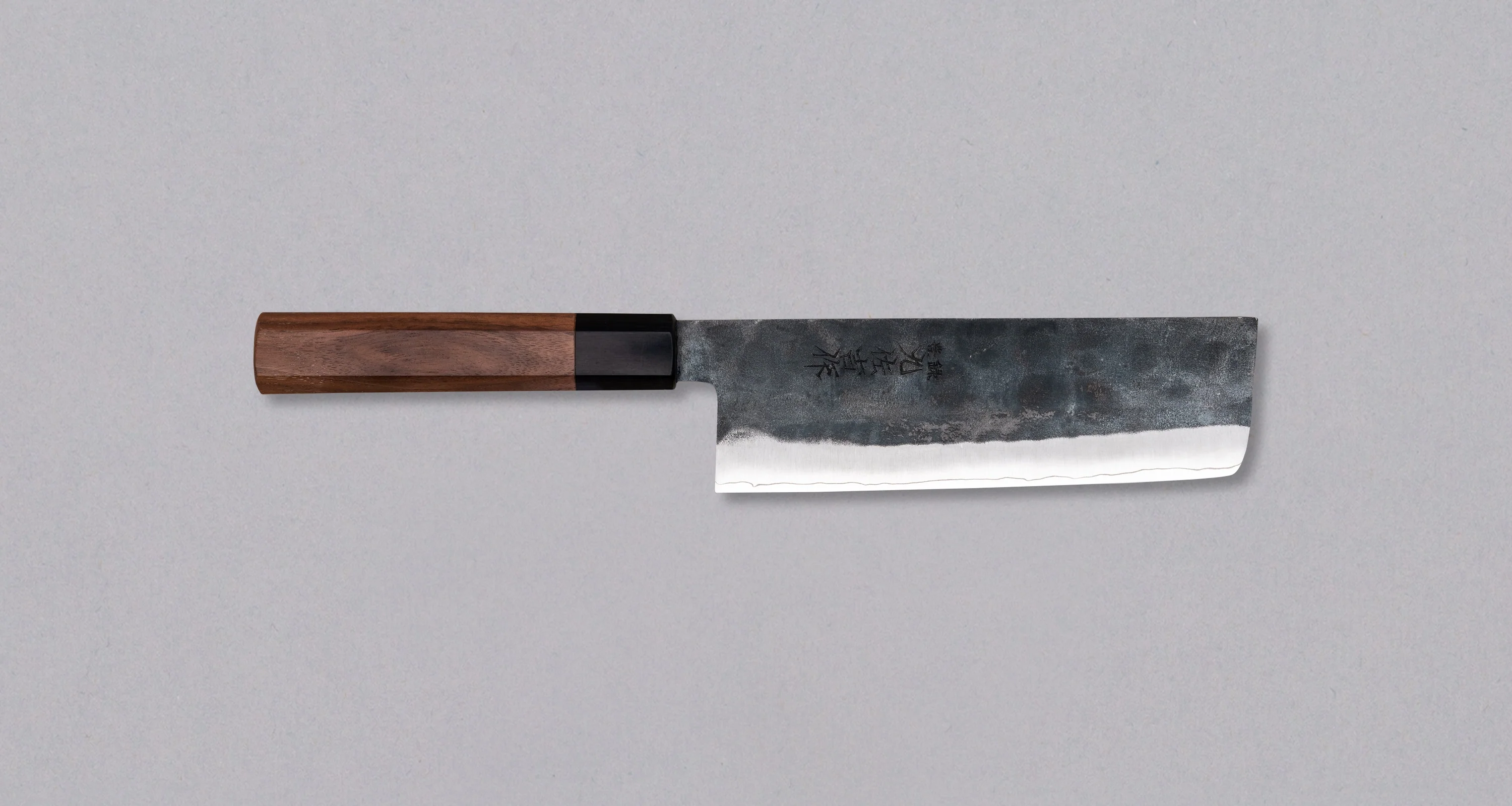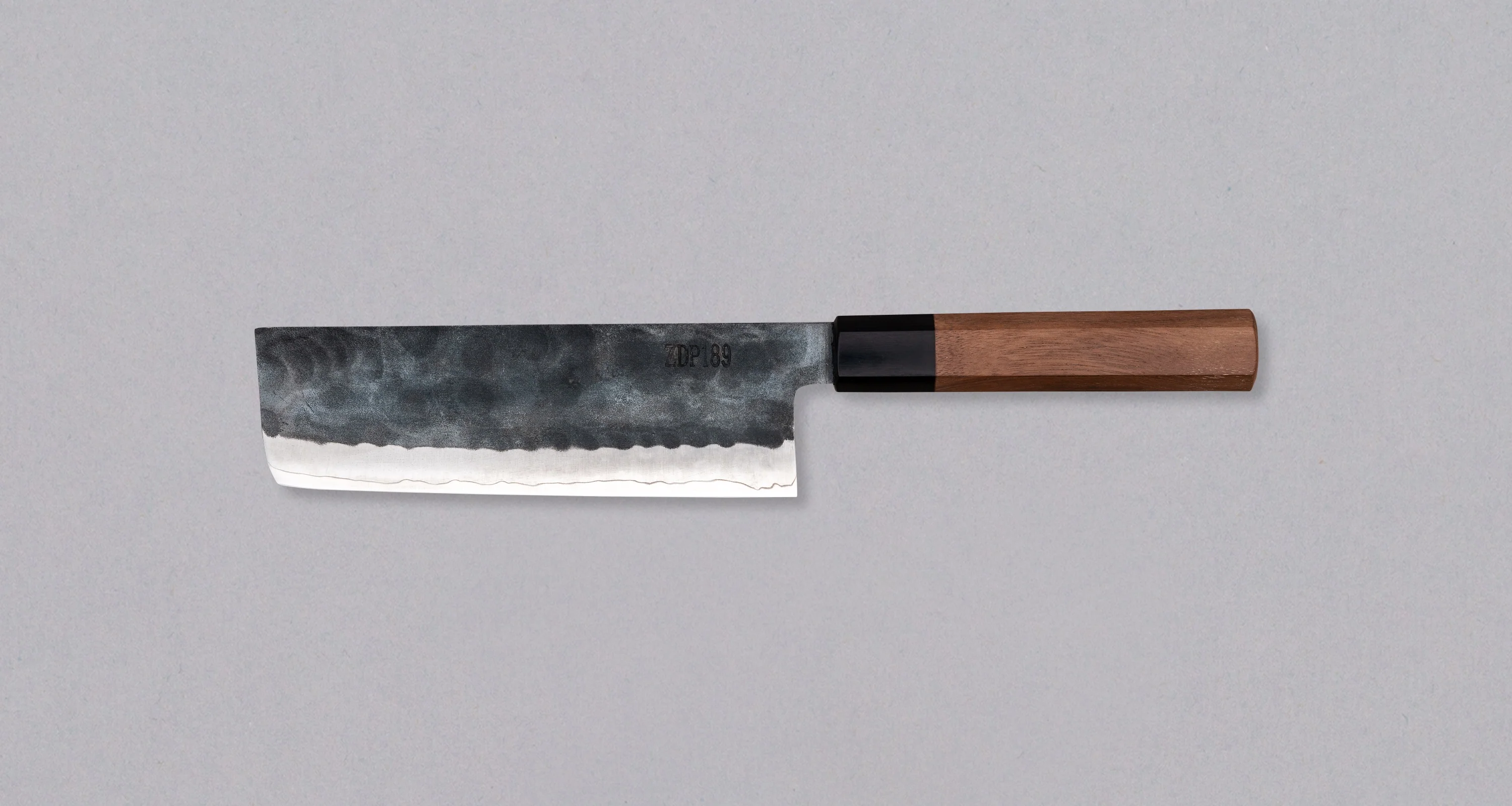
Kato Santoku VG-10 Nashiji Damascus 170mm (6.7")
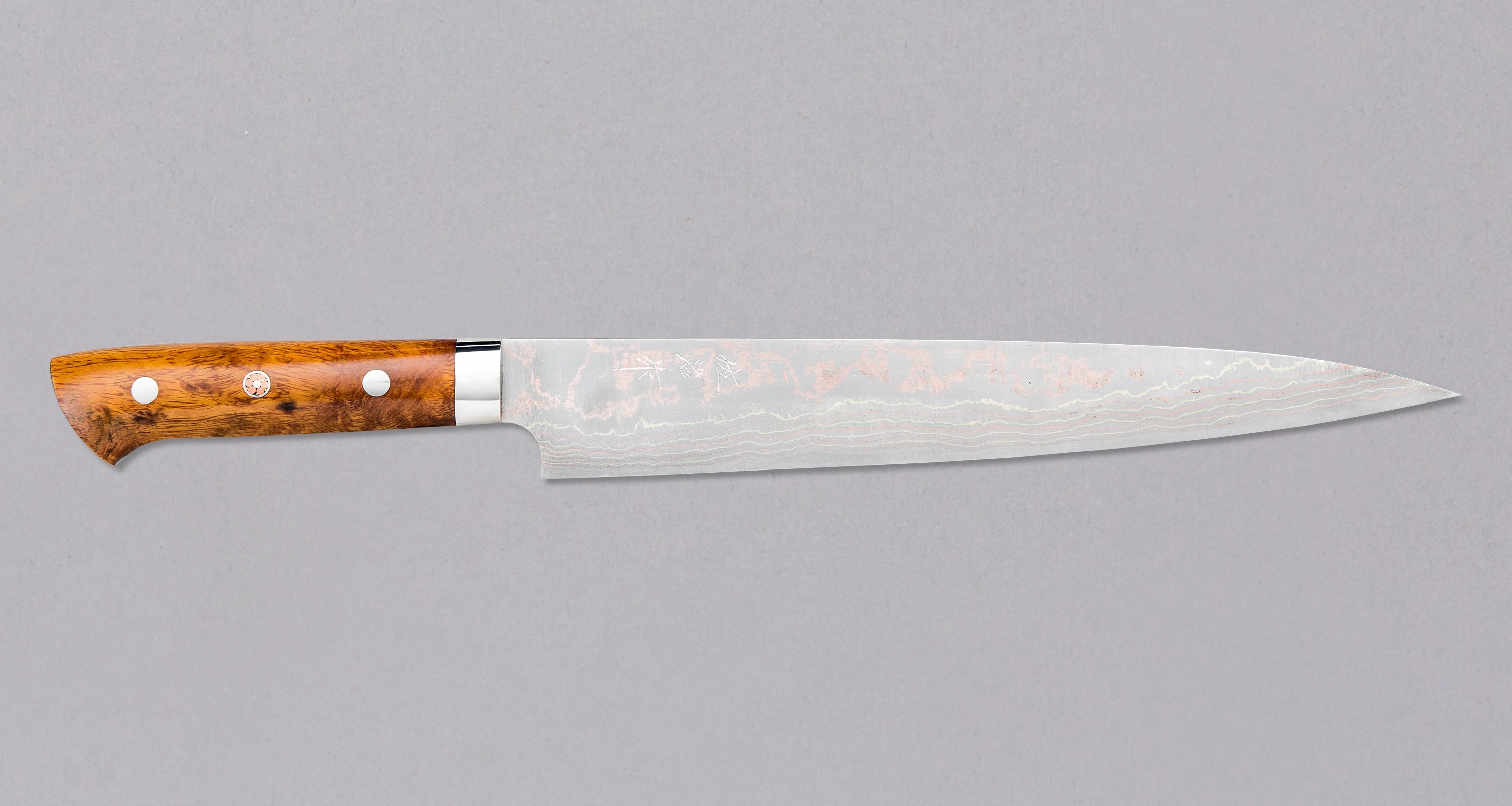
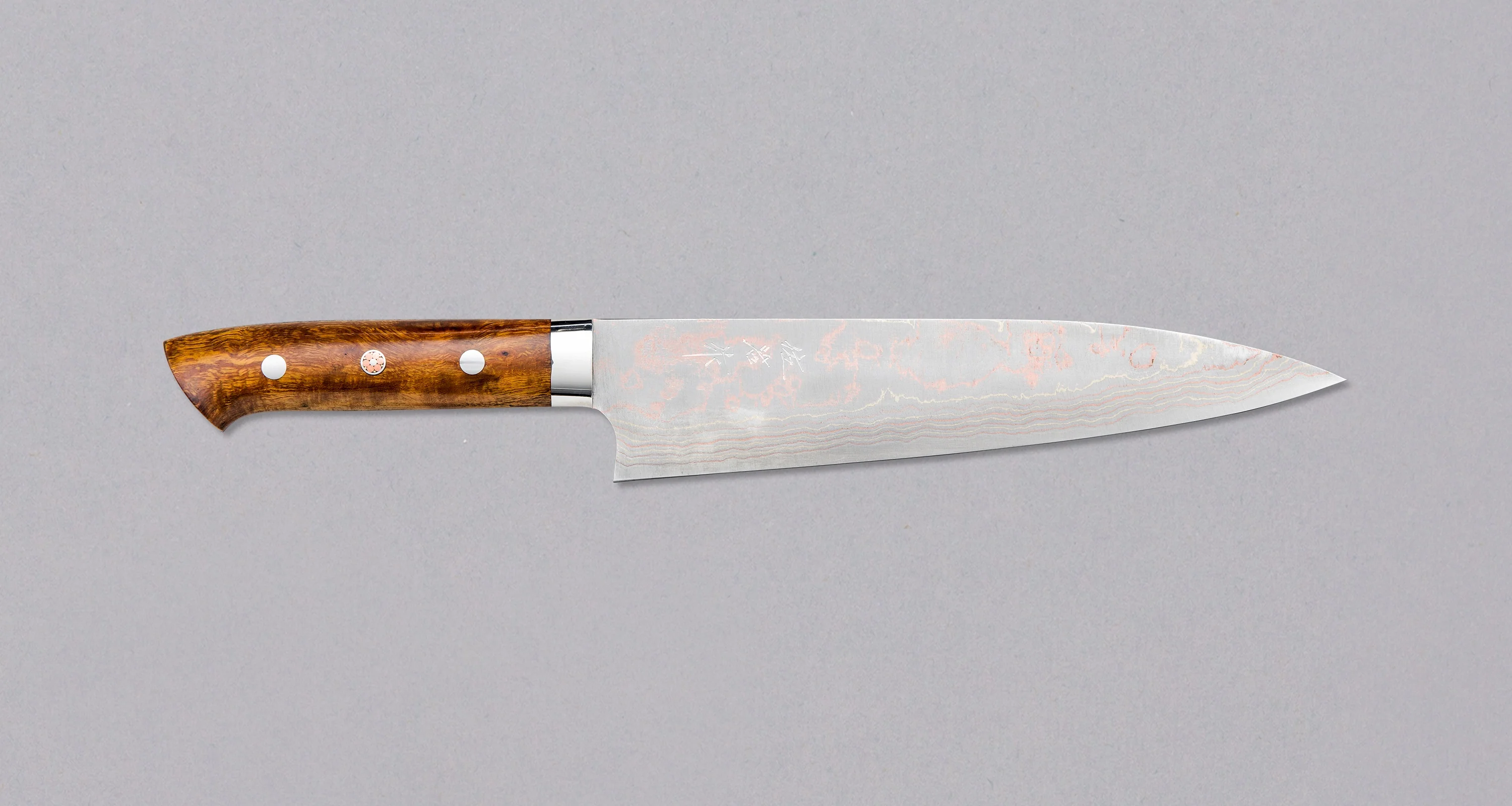
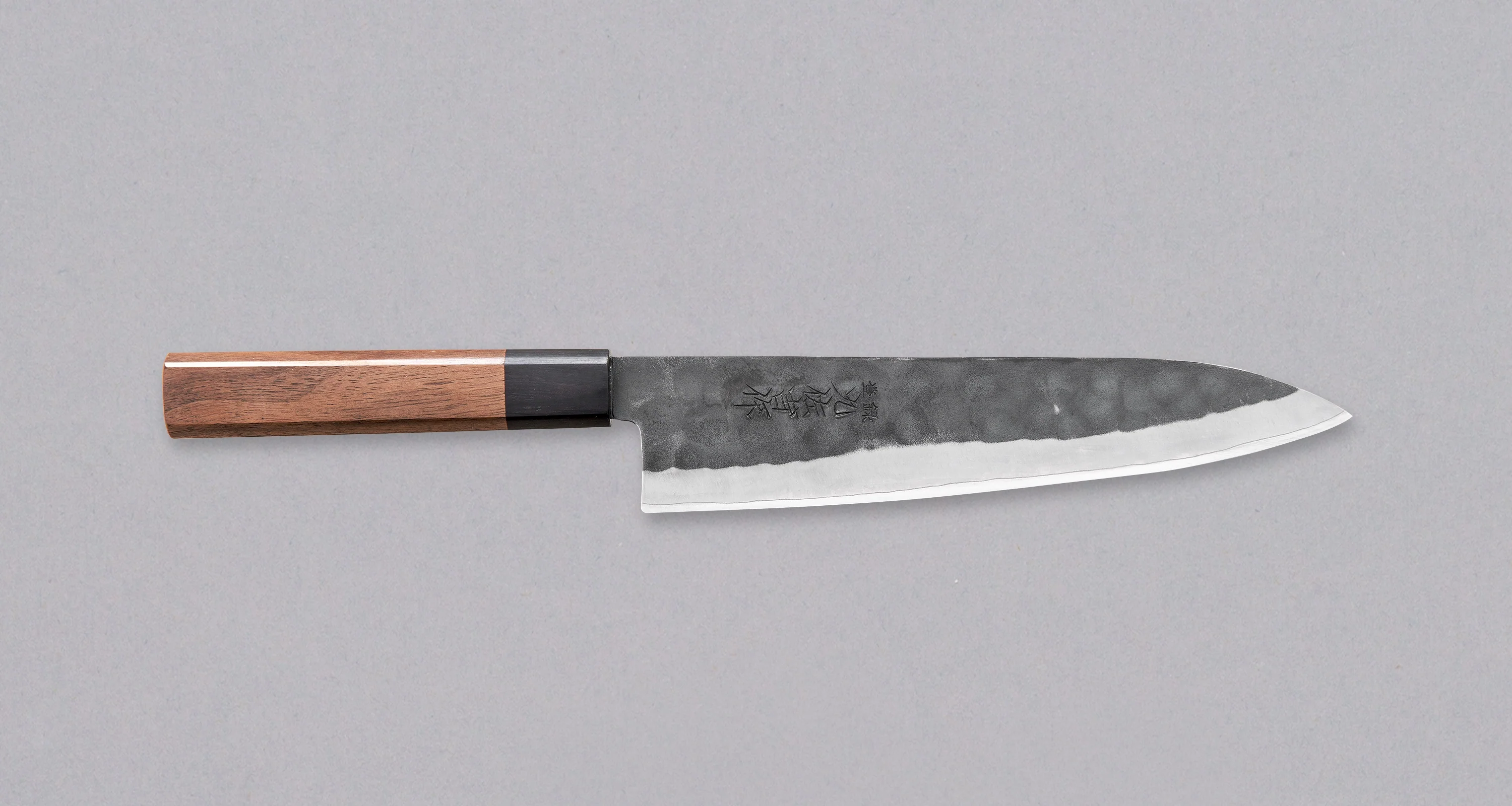
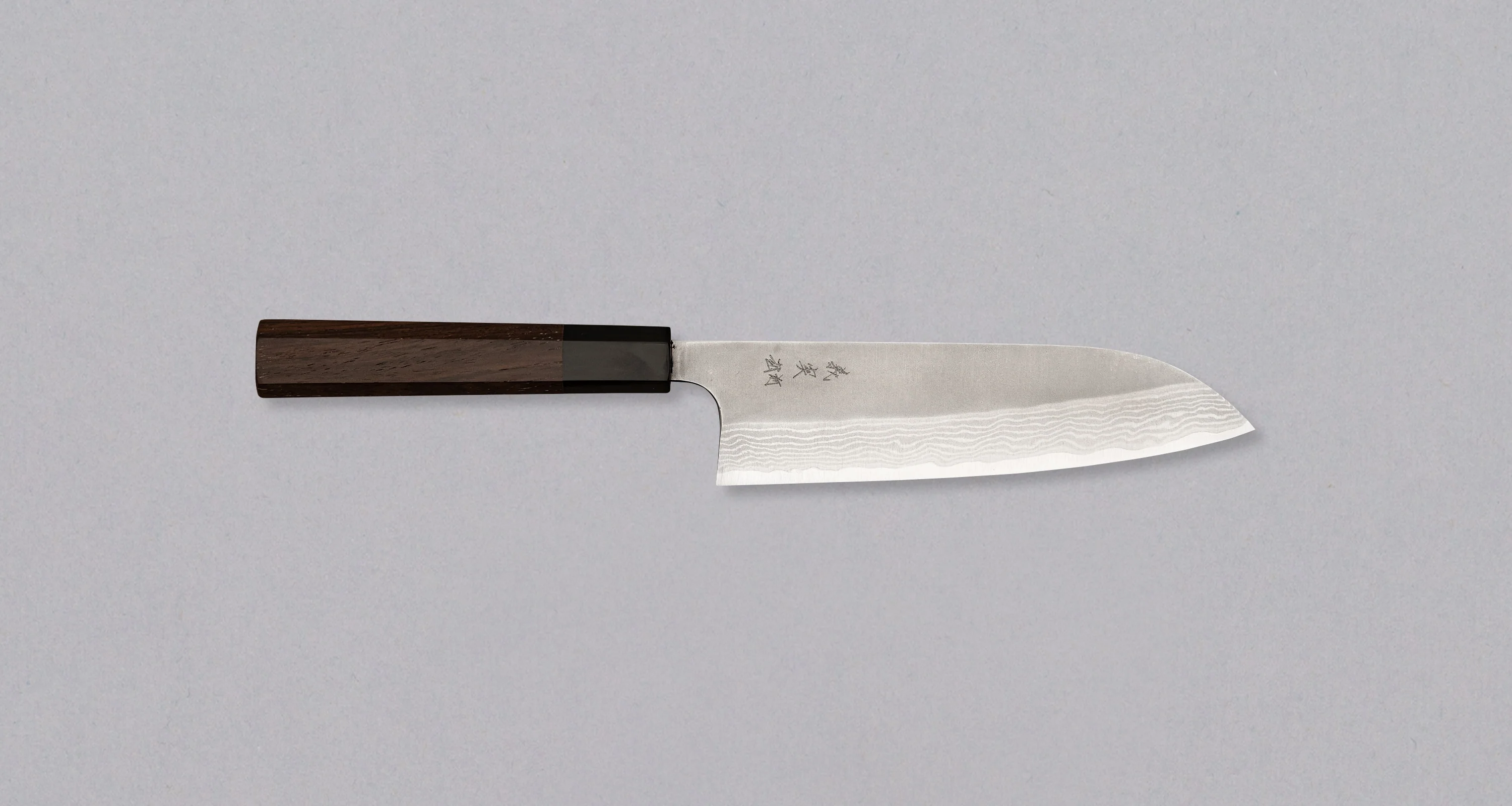
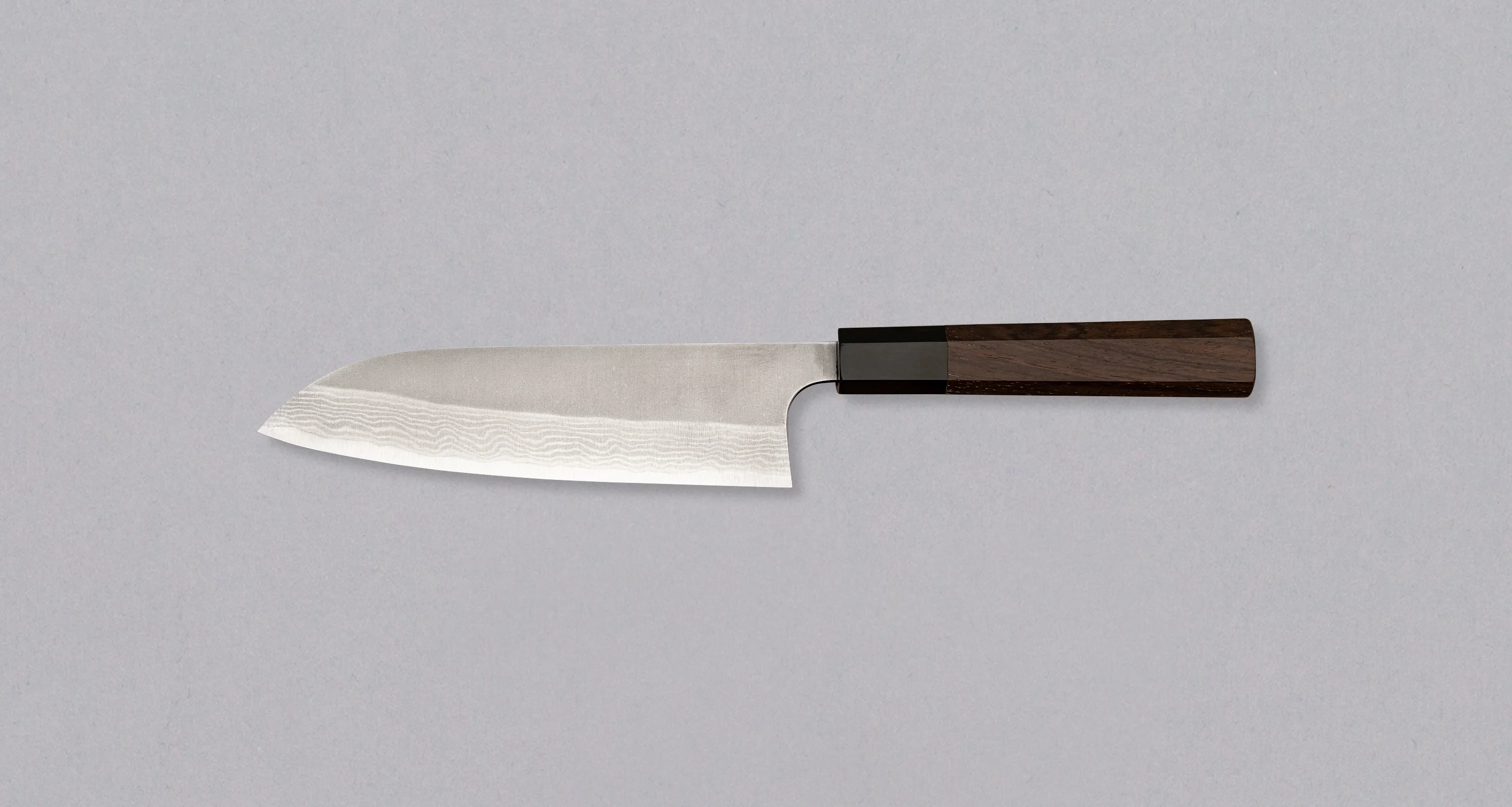
A refined 170mm santoku with an elegant Nashiji Damascus finish, hand-forged by master blacksmith Yoshimi Kato in Takefu Knife Village, Japan. With its balanced feel, razor-sharp edge, and traditional craftsmanship, this specialized vegetable knife is perfect for both professional chefs and dedicated home cooks. Crafted from VG-10 stainless steel, it offers excellent edge retention and corrosion resistance, while the thin grind and fine geometry provide exceptional cutting precision for all-around vegetable prep.
Kato Santoku VG-10 Nashiji Damascus 170mm (6.7") is a standout choice for knife collectors and aficionados of superior Japanese design.
BLADE SHAPE:
This mid-sized Santoku is the ultimate all-rounder for any kitchen. Its versatile blade excels at chopping, slicing, and dicing a wide range of ingredients. Ground to an exceptionally thin edge, it delivers precise, clean cuts—even on delicate vegetables, herbs, and small ingredients—making every prep task effortless and enjoyable.
STEEL:
VG-10 is a high-performance stainless steel known for its excellent edge retention, corrosion resistance, and ability to take a fine, sharp edge. It’s a favorite among Japanese knife makers for professional and home kitchens alike.
LAMINATION:
The blade features a san-mai construction with a VG-10 stainless steel core clad in layers of softer stainless steel—adding strength, beauty, and corrosion resistance. This traditional lamination technique also contributes to the blade’s durability and distinct appearance.
BLADE GEOMETRY:
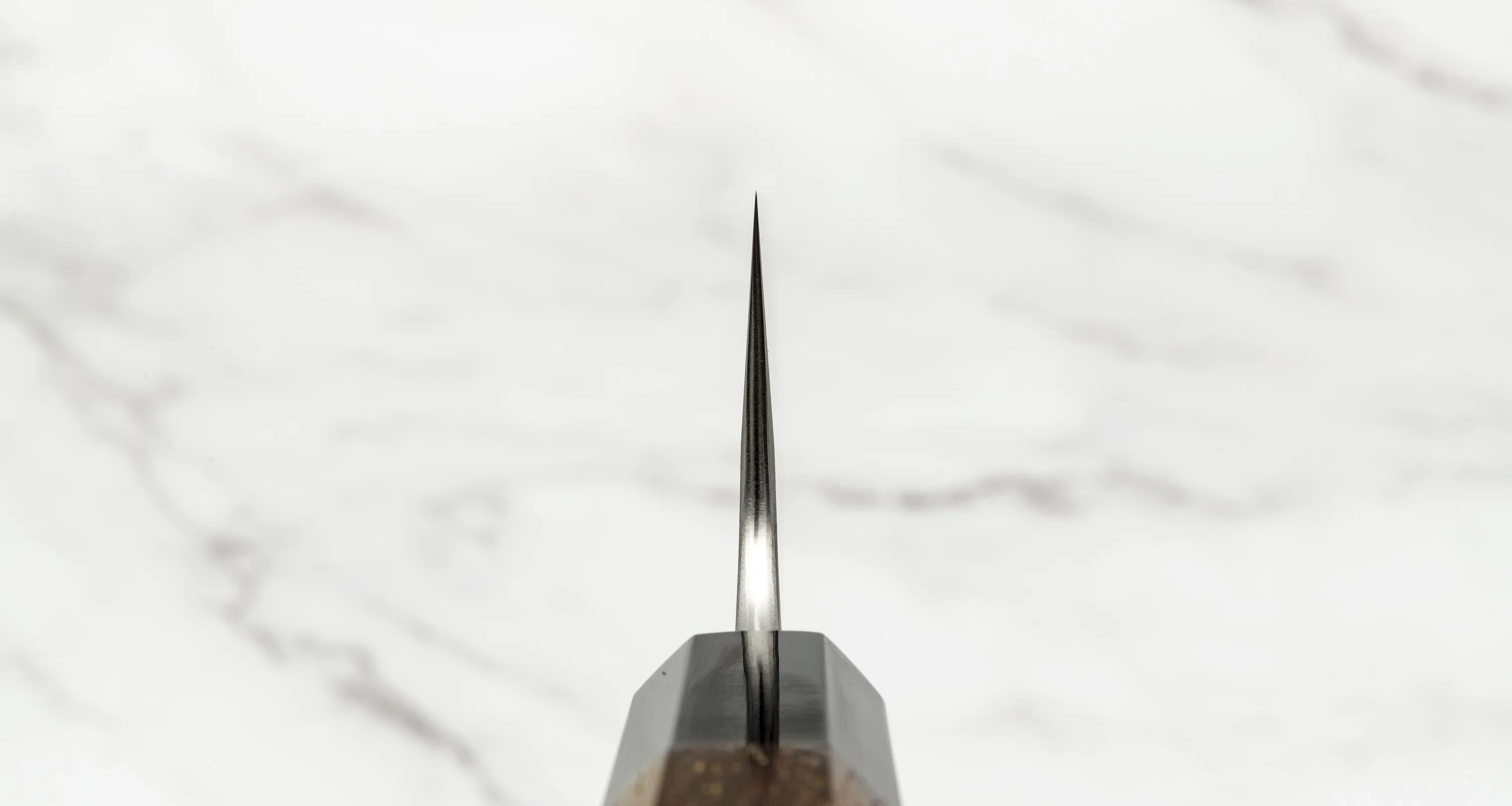
Ground thin with a fine edge and slight distal taper, this geometry delivers both cutting power and precision. It handles dense ingredients with ease and glides through delicate ones effortlessly.
BLADE FINISH:
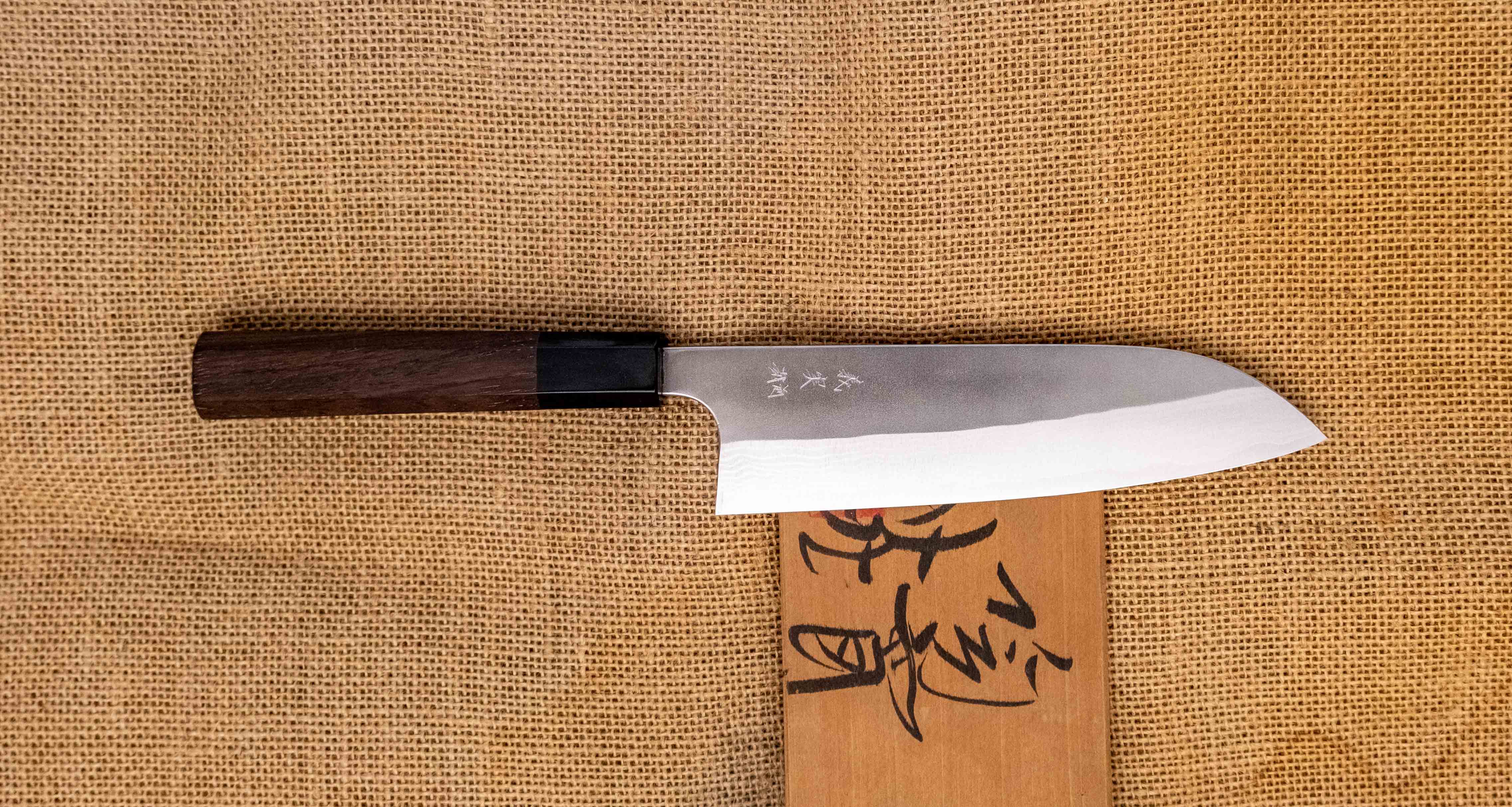
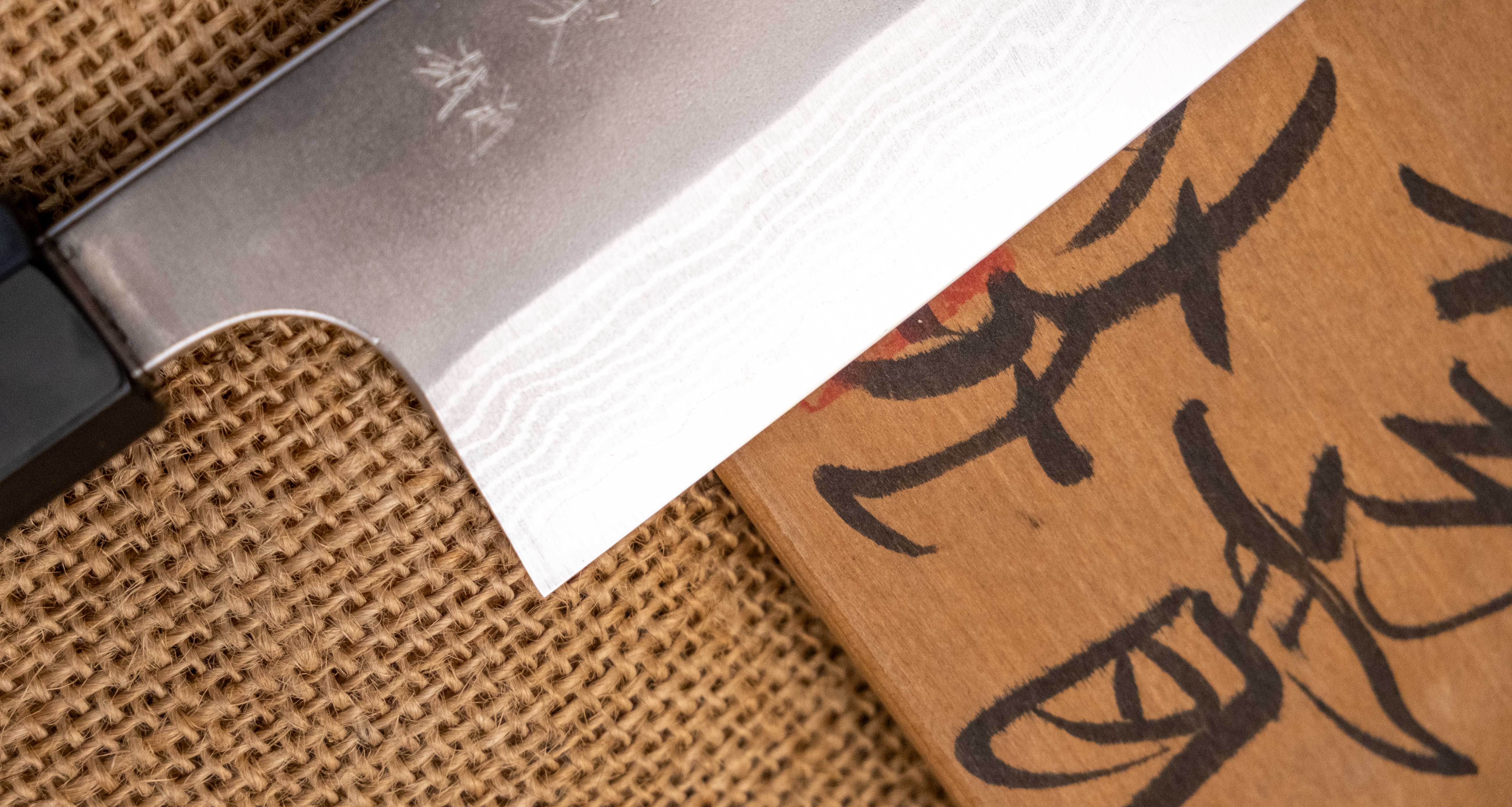
The rustic nashiji (pear-skin) gives way to a flowing damascus pattern along the cutting edge—giving the blade a beautiful interplay of rough and smooth textures. This combination of raw and polished surfaces reflects both time-honored craftsmanship and modern aesthetic sensibility.
HANDLE:
The knife is fitted with an octagonal wa-handle made from walnut wood with a buffalo horn ferrule—a traditional and elegant combination. The octagonal shape ensures a secure and comfortable grip for both left- and right-handed users. The distribution of weight between the handle and the blade makes it extremely comfortable to work with and easy to handle.
BLACKSMITH:
Yoshimi Kato is a third-generation blacksmith who continues the legacy of Kato Hamono, founded by Kintaro Kato in 1928. Working out of the renowned Takefu Knife Village in Echizen, Japan, Kato-san is known for combining traditional forging techniques with modern materials to produce blades that are both beautiful and high-performing.
More Images
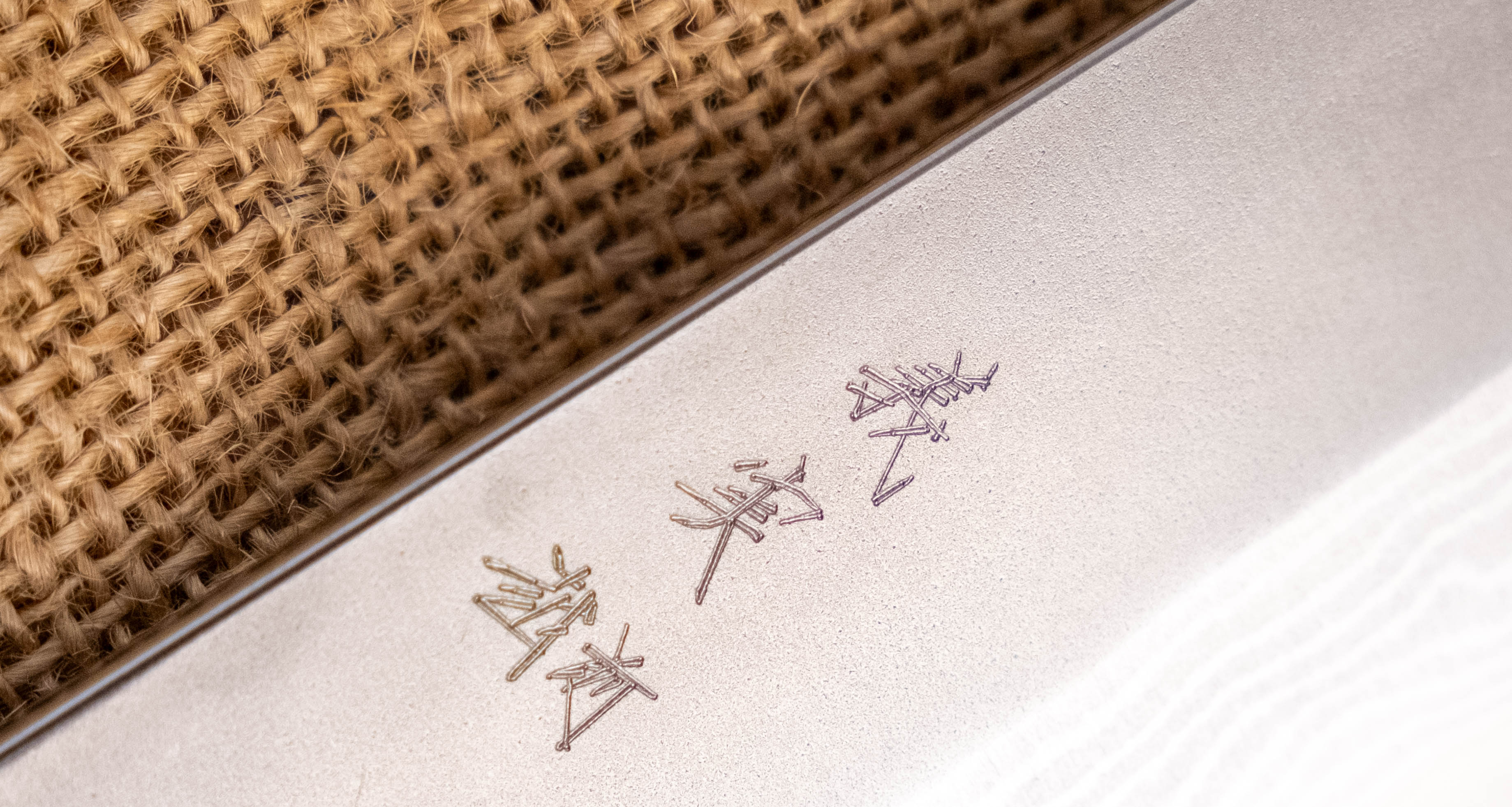
Kato Santoku VG-10 Nashiji Damascus 170mm (6.7")
A refined 170mm santoku with an elegant Nashiji Damascus finish, hand-forged by master blacksmith Yoshimi Kato in Takefu Knife Village, Japan. With its balanced feel, razor-sharp edge, and traditional craftsmanship, this specialized vegetable knife is perfect for both professional chefs and dedicated home cooks. Crafted from VG-10 stainless steel, it offers excellent edge retention and corrosion resistance, while the thin grind and fine geometry provide exceptional cutting precision for all-around vegetable prep.
Kato Santoku VG-10 Nashiji Damascus 170mm (6.7") is a standout choice for knife collectors and aficionados of superior Japanese design.
BLADE SHAPE:
This mid-sized Santoku is the ultimate all-rounder for any kitchen. Its versatile blade excels at chopping, slicing, and dicing a wide range of ingredients. Ground to an exceptionally thin edge, it delivers precise, clean cuts—even on delicate vegetables, herbs, and small ingredients—making every prep task effortless and enjoyable.
STEEL:
VG-10 is a high-performance stainless steel known for its excellent edge retention, corrosion resistance, and ability to take a fine, sharp edge. It’s a favorite among Japanese knife makers for professional and home kitchens alike.
LAMINATION:
The blade features a san-mai construction with a VG-10 stainless steel core clad in layers of softer stainless steel—adding strength, beauty, and corrosion resistance. This traditional lamination technique also contributes to the blade’s durability and distinct appearance.
BLADE GEOMETRY:
Ground thin with a fine edge and slight distal taper, this geometry delivers both cutting power and precision. It handles dense ingredients with ease and glides through delicate ones effortlessly.
BLADE FINISH:
The rustic nashiji (pear-skin) gives way to a flowing damascus pattern along the cutting edge—giving the blade a beautiful interplay of rough and smooth textures. This combination of raw and polished surfaces reflects both time-honored craftsmanship and modern aesthetic sensibility.
HANDLE:
The knife is fitted with an octagonal wa-handle made from walnut wood with a buffalo horn ferrule—a traditional and elegant combination. The octagonal shape ensures a secure and comfortable grip for both left- and right-handed users. The distribution of weight between the handle and the blade makes it extremely comfortable to work with and easy to handle.
BLACKSMITH:
Yoshimi Kato is a third-generation blacksmith who continues the legacy of Kato Hamono, founded by Kintaro Kato in 1928. Working out of the renowned Takefu Knife Village in Echizen, Japan, Kato-san is known for combining traditional forging techniques with modern materials to produce blades that are both beautiful and high-performing.
Product Information
Product Information
Shipping & Returns
Shipping & Returns
Description
A refined 170mm santoku with an elegant Nashiji Damascus finish, hand-forged by master blacksmith Yoshimi Kato in Takefu Knife Village, Japan. With its balanced feel, razor-sharp edge, and traditional craftsmanship, this specialized vegetable knife is perfect for both professional chefs and dedicated home cooks. Crafted from VG-10 stainless steel, it offers excellent edge retention and corrosion resistance, while the thin grind and fine geometry provide exceptional cutting precision for all-around vegetable prep.
Kato Santoku VG-10 Nashiji Damascus 170mm (6.7") is a standout choice for knife collectors and aficionados of superior Japanese design.
BLADE SHAPE:
This mid-sized Santoku is the ultimate all-rounder for any kitchen. Its versatile blade excels at chopping, slicing, and dicing a wide range of ingredients. Ground to an exceptionally thin edge, it delivers precise, clean cuts—even on delicate vegetables, herbs, and small ingredients—making every prep task effortless and enjoyable.
STEEL:
VG-10 is a high-performance stainless steel known for its excellent edge retention, corrosion resistance, and ability to take a fine, sharp edge. It’s a favorite among Japanese knife makers for professional and home kitchens alike.
LAMINATION:
The blade features a san-mai construction with a VG-10 stainless steel core clad in layers of softer stainless steel—adding strength, beauty, and corrosion resistance. This traditional lamination technique also contributes to the blade’s durability and distinct appearance.
BLADE GEOMETRY:
Ground thin with a fine edge and slight distal taper, this geometry delivers both cutting power and precision. It handles dense ingredients with ease and glides through delicate ones effortlessly.
BLADE FINISH:
The rustic nashiji (pear-skin) gives way to a flowing damascus pattern along the cutting edge—giving the blade a beautiful interplay of rough and smooth textures. This combination of raw and polished surfaces reflects both time-honored craftsmanship and modern aesthetic sensibility.
HANDLE:
The knife is fitted with an octagonal wa-handle made from walnut wood with a buffalo horn ferrule—a traditional and elegant combination. The octagonal shape ensures a secure and comfortable grip for both left- and right-handed users. The distribution of weight between the handle and the blade makes it extremely comfortable to work with and easy to handle.
BLACKSMITH:
Yoshimi Kato is a third-generation blacksmith who continues the legacy of Kato Hamono, founded by Kintaro Kato in 1928. Working out of the renowned Takefu Knife Village in Echizen, Japan, Kato-san is known for combining traditional forging techniques with modern materials to produce blades that are both beautiful and high-performing.